









Shop by Category
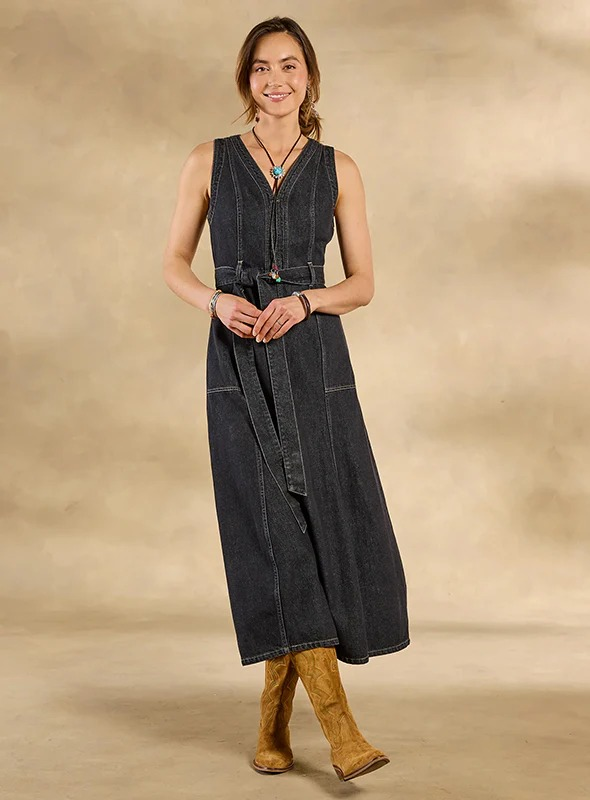
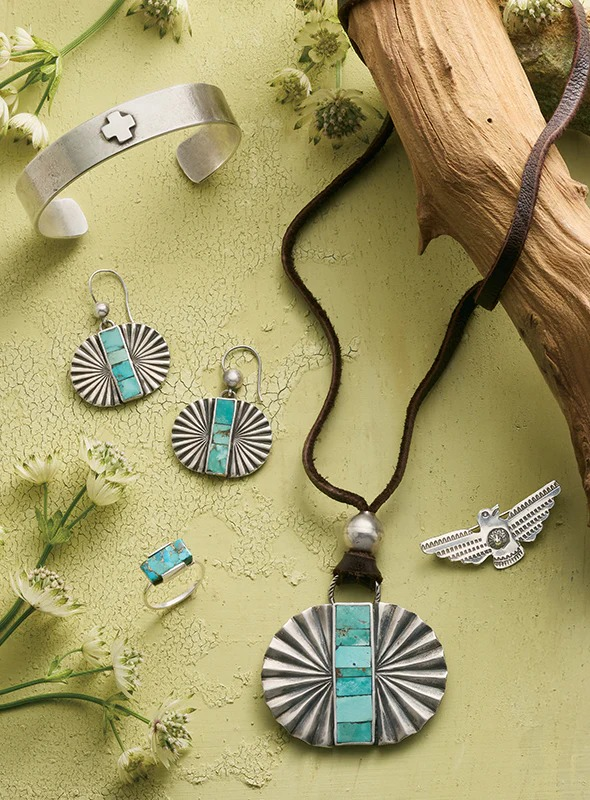
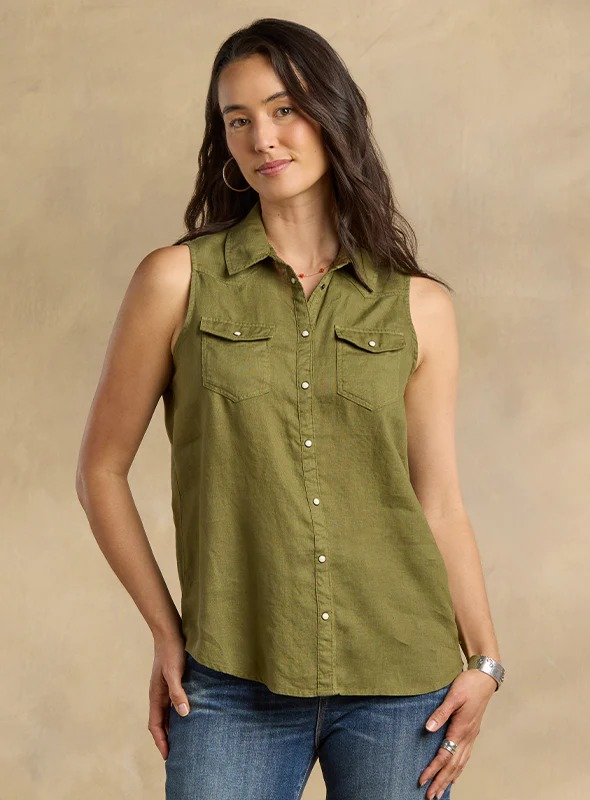
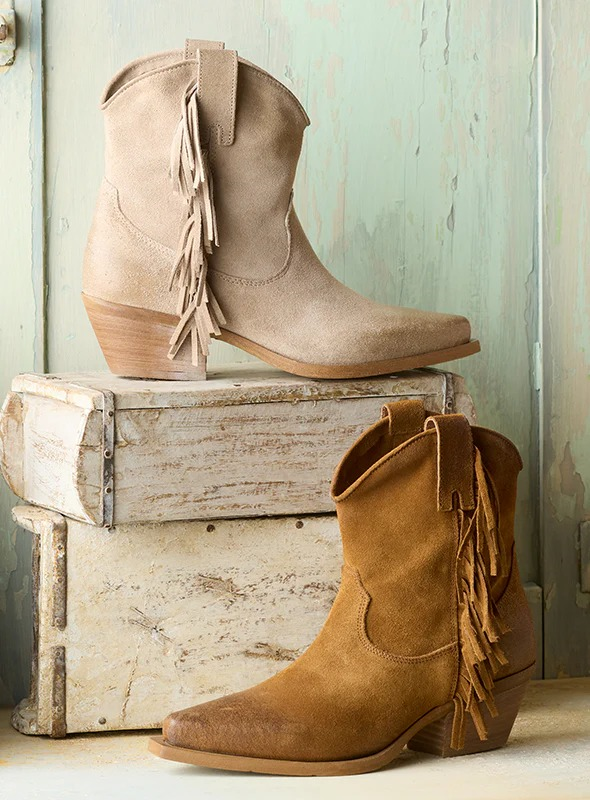
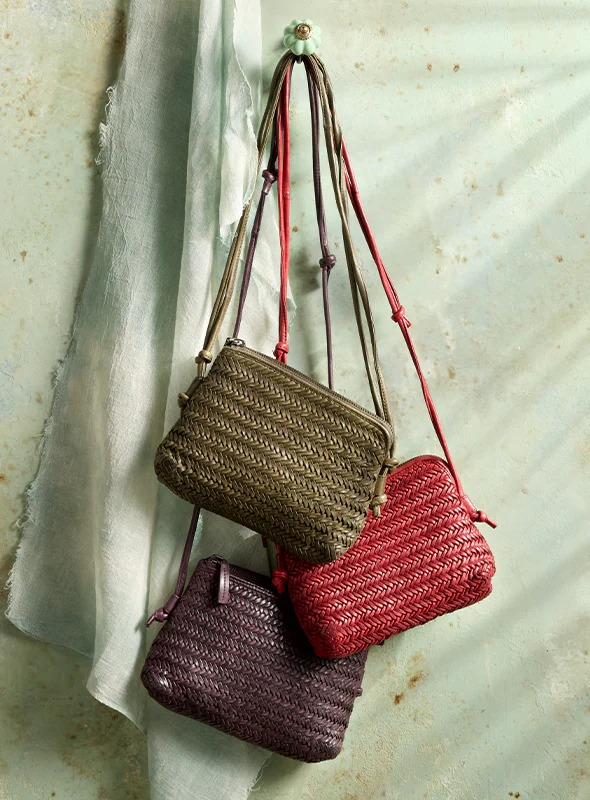
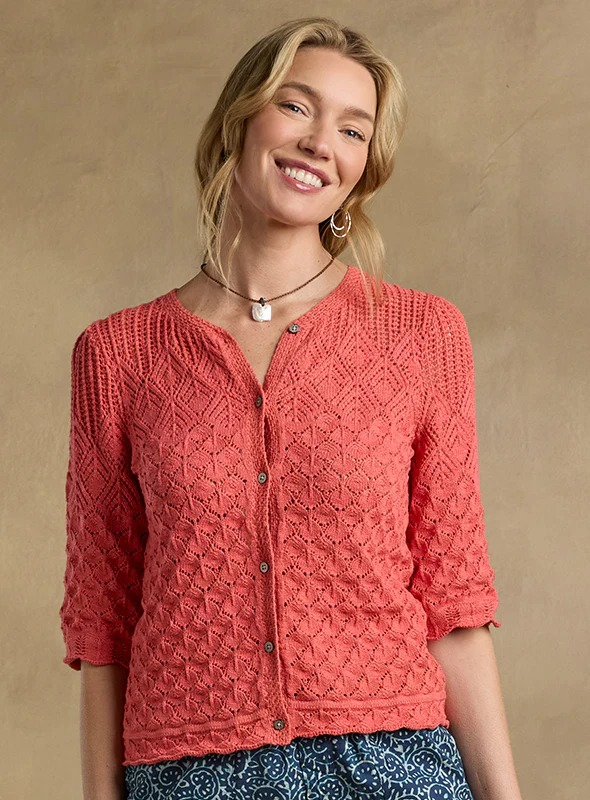
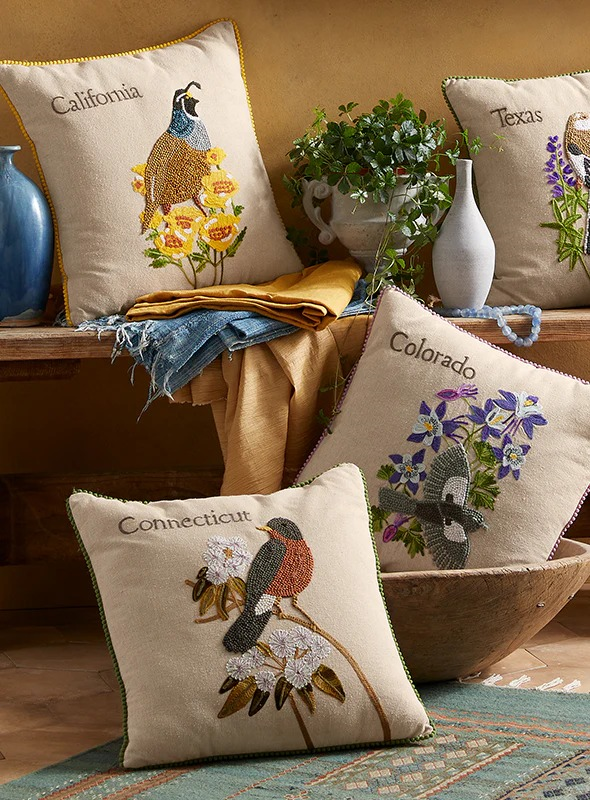
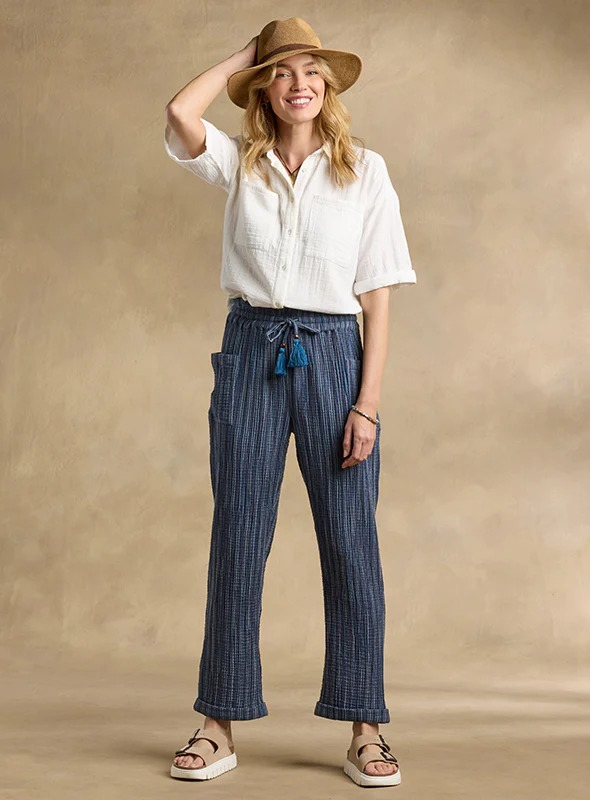
Classic Recommendation.
Fashion as Cultural Dialogue: Influences and Expressions
Women’s clothing serves as a dynamic and visible form of cultural dialogue, reflecting, challenging, and shaping societal norms and values. What women choose to wear is rarely an isolated aesthetic decision; it is often a response to, or a projection of, the surrounding social, political, and artistic landscape. Examining this interplay reveals how fashion acts as a powerful, non-verbal medium for collective and individual expression.
One of the clearest functions of dress is its ability to denote social and cultural shifts. Throughout history, major changes in the female silhouette have often mirrored significant gains in personal freedom or shifts in cultural attitudes towards the feminine ideal. The adoption of more comfortable, functional clothing, for instance, often coincided with movements advocating for greater participation in the public sphere or the workforce. Clothing, in this sense, becomes a measurable index of progress and evolving roles.
Beyond reflecting change, fashion also acts as a critical source of inspiration and cultural cross-pollination. Designers frequently look to traditional dress, historical artistic movements, or emerging street styles to inform their work. This act of incorporating elements from different contexts allows clothing to become a fascinating tapestry of global influences. The textures of one region, the color palettes of another, or the construction techniques rooted in ancient craft can be reinterpreted, creating a modern language that speaks to a globalized world. When done respectfully, this fusion celebrates diversity and enriches the visual vocabulary of contemporary style.
The choice of clothing can also be a profound statement of identity. For many, style is an immediate way to signal allegiance to a subculture, an artistic sensibility, or a particular lifestyle. The deliberate selection of certain colors, cuts, or proportions can communicate a sense of rebellious spirit, refined elegance, artistic creativity, or relaxed approachability. This personal curation transforms the act of getting dressed into a daily performance of self-definition, allowing women to craft the visual impression they wish to convey before they even speak.
However, this dialogue is not without its complexities. The industry’s rapid adoption and dissemination of trends often raises critical questions about originality and authenticity. The translation of culturally significant garments or motifs into fast-moving fashion cycles necessitates a conversation about respect, context, and proper acknowledgment of origins. The most compelling dialogue in modern style is often the one that navigates this ethical territory, prioritizing genuine appreciation and collaboration over mere appropriation.
Ultimately, the clothing women wear is an ongoing conversation with culture itself. It is a dialogue that occurs on runways, in studios, and most importantly, on the streets, where real style is forged and tested. It connects the individual to the collective, linking personal choice with broader historical and artistic movements. By understanding clothing not just as consumption but as a vibrant form of cultural output, we appreciate its enduring power to document our lives and express the complex identities of women across the globe.